Dupahiya — Season 2
NEW PROBLEMS. SAME VILLAGE. BUT IS THAT ENOUGH?
In Dhadakpur, no problem stays private for very long.
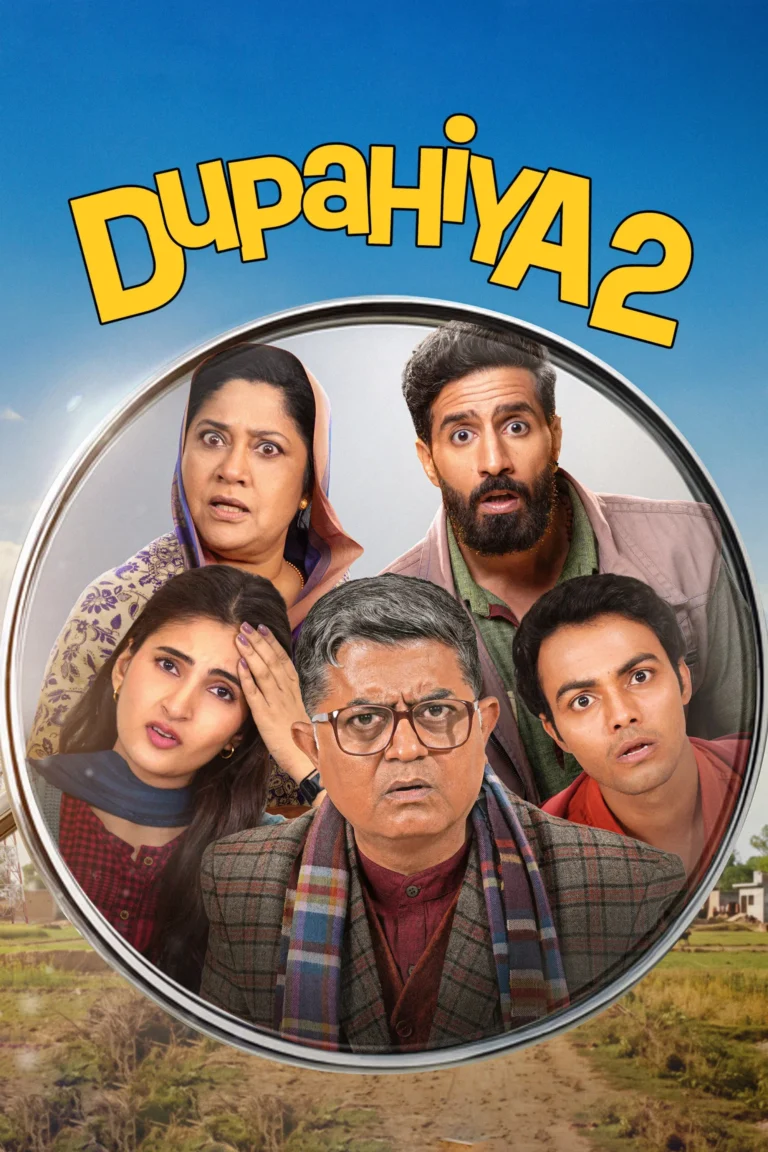
TRY IT

The pleasure of returning to Dhadakpur is not simply the story. It is the feeling that the village continues living even when the camera is not watching.
THE FULL TAKE
The pleasure of returning to Dhadakpur is not simply the story. It is the feeling that the village continues living even when the camera is not watching.
Everybody seems to know somebody else's business, and every small problem has the potential to become a public discussion.
That is fertile ground for comedy because village politics can turn ordinary disagreements into matters of great importance.
The familiar ensemble brings warmth to the setting. Characters with conflicting priorities can create humour without needing exaggerated punchlines.
The challenge for a second season is finding a reason to return beyond the audience's affection for the first.
New disputes and misunderstandings provide activity, but activity is not always the same as storytelling.
When too many subplots compete for attention, the season risks becoming a collection of amusing incidents.
The strongest comedy comes when a character's behaviour creates consequences for someone else.
The weaker moments are those where familiar personalities repeat familiar jokes without revealing anything new.
Hmm... a pleasant return to Dhadakpur, though familiarity sometimes works harder than the writing.
The second season returns to Dhadakpur with a familiar ensemble and a more complicated set of personal ambitions. Bhugol, played by Sparsh Shrivastava, faces the uncomfortable distance between the life he imagines and the reputation he has acquired.
Gajraj Rao remains valuable to this kind of storytelling because he can make ordinary frustration entertaining without demanding a dramatic speech. The series benefits whenever its performers are allowed to react naturally.
The problem is structural. A village comedy can follow several characters, but those stories should gradually connect. Otherwise the season begins to feel like a collection of sketches that happen to share a location.
The first season's affection for Dhadakpur is not enough to carry the second. Returning characters need new contradictions, not simply new arguments.
This is where I would be more critical than the original 6.6 score suggests. The performers provide moments of enjoyment, but the available critical response points to a season whose writing does not consistently reward the audience's investment.
WHAT WORKED
Village atmosphere, familiar characters, ensemble humour and everyday social observations.
WHAT DIDN'T
Scattered plotting, repetitive jokes and an uneven central narrative.
Original Movie....hmm editorial assessment based on available story information and critical discussion; not a firsthand screening.